
Emma Sarley is a residential real estate agent whose career reflects a strong blend of sales, marketing, and customer relationship expertise. With experience spanning enterprise account management, marketing leadership, and client-focused roles, Emma Sarley brings a results-driven approach to the Los Angeles real estate market. Her background includes exceeding sales targets, managing high-value accounts, and developing customer engagement strategies across major markets. Drawing on her experience in both corporate sales environments and customer service, she understands the importance of organization, communication, and data-driven decision-making. These skills align closely with the growing reliance on Customer Relationship Management systems in real estate, where managing client interactions efficiently and strategically can significantly impact long-term success and client satisfaction.
How CRMs Benefit Real Estate Sales
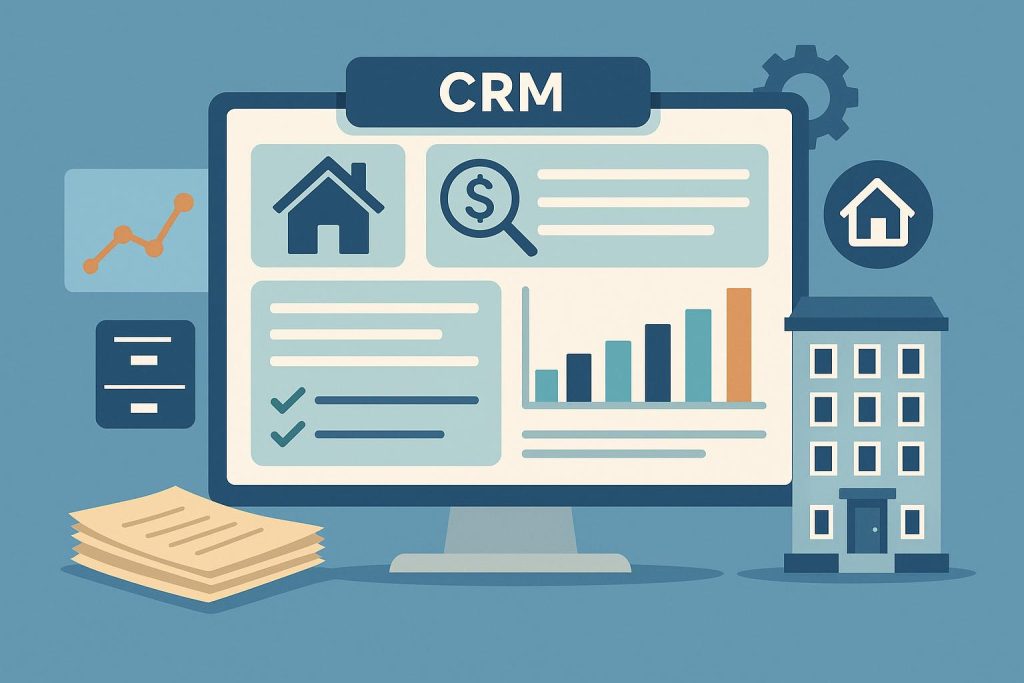
Client relationship management remains an important part of real estate sales. Customer Relationship Management (CRM) systems have become a vital tool that benefits real estate professionals and their sales efforts.
Sales agents often juggle dozens of prospects, regular client inquiries, time-sensitive negotiations, and multiple listings, which can cause important details to slip through the cracks. CRMs address these gaps. They help consolidate client data, streamline real estate marketing campaigns, provide real-time sales insight, and automate follow-ups. For real estate professionals, CRMs help to build trust, facilitate long-term sales growth, and maintain consistent communication in an increasingly digital marketplace.
Real estate professionals rely on timing and personal connections to succeed. Buyers and sellers often expect quick responses, consistent communication, and tailored recommendations from real estate agents. Without a system to properly manage this flow of communication, agents may lose leads, forget to send follow-ups, and miss calls. Each one can adversely affect an agent’s reputation and personal interaction with clients. CRMs provide the relevant structure and organization that is necessary to manage different stages of the client’s journey. CRM maintains all the required information in an organized database, enabling agents to achieve higher closing rates and improved client satisfaction.
The real estate business is customer-centric. Therefore, real estate agents must track client preferences, record previous interactions, and tailor their communication accordingly. Rather than sharing generic updates, agents should tailor their messages to reflect the clients’ actual needs. These needs might range from luxury amenities for high-end customers, investment returns for property investors, and inquiries about school districts for families. Paying attention to this level of personalization demonstrates a high level of attentiveness, which helps develop trust and potentially increase referrals and repeat business.
One of the biggest challenges in real estate sales is inconsistency. Some weeks bring a surge of leads, while other weeks feel unusually quiet, leaving agents unsure about their next steps. A CRM helps balance these fluctuations by capturing every lead the moment it enters the system, categorizing it based on buyer readiness or interest level, and nurturing it through timely communication. Instead of misplacing potential buyers or forgetting to follow up after an open house, agents can rely on the CRM to keep the process moving forward without gaps.
Marketing in real estate requires far more than simply posting listings online. It depends on building ongoing communication that keeps clients engaged and ensures the agent stays at the top of their minds. A CRM makes this process significantly easier by enabling automated yet highly targeted campaigns. Agents can use it to deliver market updates, neighborhood insights, or personalized property suggestions directly to specific groups of clients, ensuring each message feels relevant and timely. This consistent outreach not only strengthens engagement but also positions the agent as a trusted advisor who offers value beyond the sale.
A CRM helps agents understand and improve their sales performance. Through detailed reports and analytics, the system highlights which marketing channels bring in the highest-quality leads, how long it typically takes to close a deal, and where delays or bottlenecks occur in the process. With this knowledge, agents can make smarter, evidence-based decisions instead of relying on guesswork or trial and error. They can refine their strategies, invest in the channels that deliver the best results, and adjust their approach to improve conversion rates.
About Emma Sarley
Emma Sarley is a residential real estate agent with a background in sales, marketing, and customer service. She has held roles such as enterprise account executive at Mercato and marketing manager for Restaurant Associates, consistently exceeding sales goals and managing high-value accounts. Her experience also includes customer service leadership at Starbucks, where she trained team members and supported workplace culture. Emma Sarley holds a real estate certificate from the University of California, Los Angeles Extension School and has contributed to editorial and food studies initiatives earlier in her career.
