
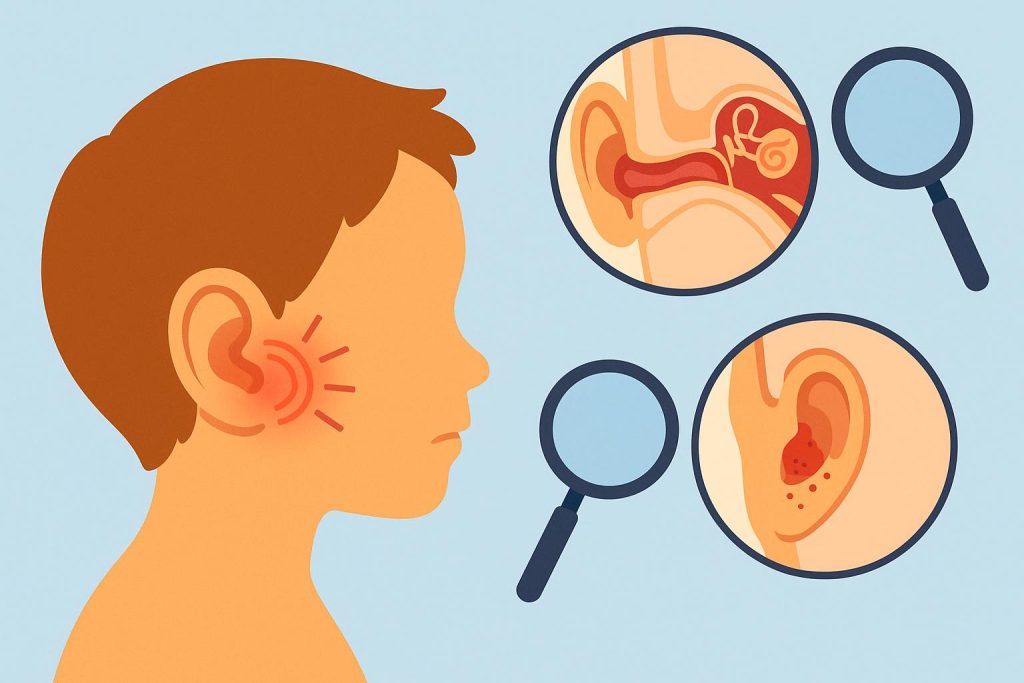
Ear infections are one of the most frequent reasons parents bring their children to the clinic, particularly in the early years of life. From unexplained crying in infants to ear pain and fever in older children, these infections can be distressing for both children and caregivers. While the term “ear infection” is commonly used, it actually refers to more than one condition, depending on where the infection occurs within the ear.
For parents in Singapore, understanding ear infections is especially important. The warm climate, high humidity, frequent swimming, and close-contact childcare environments create conditions where ear infections can occur year-round rather than only during colder months. Knowing the difference between the two main types of ear infections helps parents recognise symptoms early and seek appropriate care from an ENT doctor Singapore families trust.
Contents
- 1 Why Ear Infections Are So Common in Children
- 2 The Two Main Types of Ear Infections in Children
- 3 Infections Within the Ear Canal (Outer Ear Infections)
- 4 Key Differences Between Outer and Middle Ear Infections
- 5 How Ear Infections Are Diagnosed
- 6 Treatment Options for Ear Infections in Children
- 7 When Parents Should See an ENT Specialist
- 8 Supporting Your Child’s Ear Health
Why Ear Infections Are So Common in Children
Children are more vulnerable to ear infections than adults due to both anatomical and immune-related factors. One key reason is the structure of the Eustachian tube, which connects the middle ear to the back of the nose. In young children, this tube is shorter, narrower, and more horizontal, making it easier for bacteria and viruses to enter the middle ear and harder for fluid to drain properly.
Frequent colds, exposure to other children in preschools or childcare centres, and immature immune defences further increase susceptibility. In Singapore, additional factors such as persistent humidity, air-conditioned indoor spaces, and regular water exposure from swimming also contribute to the high prevalence of childhood ear infections.
The Two Main Types of Ear Infections in Children
Clinically, ear infections in children fall into two broad categories. Although they may present with similar complaints, the underlying causes, symptoms, and treatments differ significantly.
Infections Within the Ear Canal (Outer Ear Infections)
Infections that affect the ear canal are known as outer ear infections, or otitis externa. These occur when the skin lining the ear canal becomes inflamed and infected, often due to moisture, irritation, or minor injury.
In children, outer ear infections are frequently linked to swimming, prolonged water exposure, or water trapped in the ear after bathing. This is why they are sometimes referred to as “swimmer’s ear,” although they can occur even in children who do not swim regularly.
Causes and Risk Factors
Outer ear infections typically develop when the natural protective barrier of the ear canal is disrupted. Common contributing factors include repeated exposure to moisture, use of cotton buds or fingers to clean the ear, minor scratches within the ear canal, and underlying skin conditions such as eczema. In Singapore’s humid environment, moisture retention alone can be enough to encourage bacterial growth.
Symptoms Parents May Notice
Children with outer ear infections often experience discomfort that is localised to the outer ear. Pain tends to worsen when the ear is touched or gently pulled. Parents may also notice itching inside the ear, redness or swelling of the ear canal, or discharge that can range from clear to cloudy. Hearing may be temporarily reduced if swelling or debris blocks the ear canal.
Unlike deeper ear infections, fever and general unwellness are less common, although they can occur in more severe cases.
Infections Behind the Eardrum (Middle Ear Infections)
Infections that develop behind the eardrum are known as middle ear infections, or otitis media. These are particularly common in infants and young children and often follow an upper respiratory tract infection such as a cold or flu.
When inflammation from a respiratory infection causes the Eustachian tube to become blocked, fluid accumulates in the middle ear. This trapped fluid creates an ideal environment for bacteria or viruses to multiply, leading to infection and pressure buildup.
Common Symptoms of Middle Ear Infections
Middle ear infections tend to cause more pronounced symptoms than outer ear infections. Children may complain of ear pain that worsens at night or when lying down. Fever is common, and younger children may become irritable, cry more than usual, or tug repeatedly at their ears. Sleep disturbances, reduced appetite, and temporary hearing difficulties are also frequently reported.
In some cases, pressure from infected fluid can cause the eardrum to rupture, leading to ear discharge. While this can be alarming for parents, pain often improves once the pressure is relieved. However, medical evaluation remains essential to ensure proper healing and prevent complications.
Key Differences Between Outer and Middle Ear Infections
Although both conditions are commonly described as ear infections, they differ in important ways. Outer ear infections primarily involve inflammation of the ear canal skin and are usually triggered by external factors such as moisture or irritation. Middle ear infections, on the other hand, are linked to internal pressure changes and infections of the nose and throat.
This distinction matters because treatment approaches are different. Medications effective for one type may be inappropriate for the other, which is why accurate diagnosis by an otolaryngologist is important, especially when symptoms persist or recur.
How Ear Infections Are Diagnosed
Diagnosis involves more than simply looking into the ear. Doctors assess the child’s age, symptom duration, severity, and overall health. Examination with an otoscope allows assessment of the ear canal and eardrum, helping determine whether infection is present and where it is located.
In recurrent or complicated cases, an ENT specialist may evaluate hearing, assess Eustachian tube function, or investigate contributing factors such as enlarged adenoids or chronic nasal congestion.
Treatment Options for Ear Infections in Children
Treatment depends on the type of infection, the child’s age, and the severity of symptoms. Not all ear infections require antibiotics, and unnecessary medication is avoided where possible.
Outer ear infections usually respond well to medicated ear drops, keeping the ear dry, and avoiding further irritation. Improvement is often seen within a few days when treatment is started early.
Middle ear infections may be managed with observation in mild cases, especially in older children. When bacterial infection is suspected or symptoms are severe, oral antibiotics may be prescribed. Pain relief and fever management are important components of care regardless of whether antibiotics are used.
When Parents Should See an ENT Specialist
While many ear infections resolve without complications, certain situations warrant further evaluation. Parents should consider consulting a specialist if ear infections occur frequently, symptoms do not improve with treatment, or hearing difficulties persist. Speech delay, balance issues, or behavioural changes related to hearing should also prompt assessment.
Seeking care from a doctor allows for early identification of underlying issues and helps prevent long-term complications such as chronic ear disease or hearing impairment.
Supporting Your Child’s Ear Health
Ear infections are a common part of childhood, but they should never be ignored or dismissed as inevitable. Understanding whether an infection occurs within the ear canal or behind the eardrum helps parents make informed decisions about care and treatment.
When symptoms persist or recur, early specialist evaluation ensures that hearing, comfort, and overall development are protected during these crucial years.
