
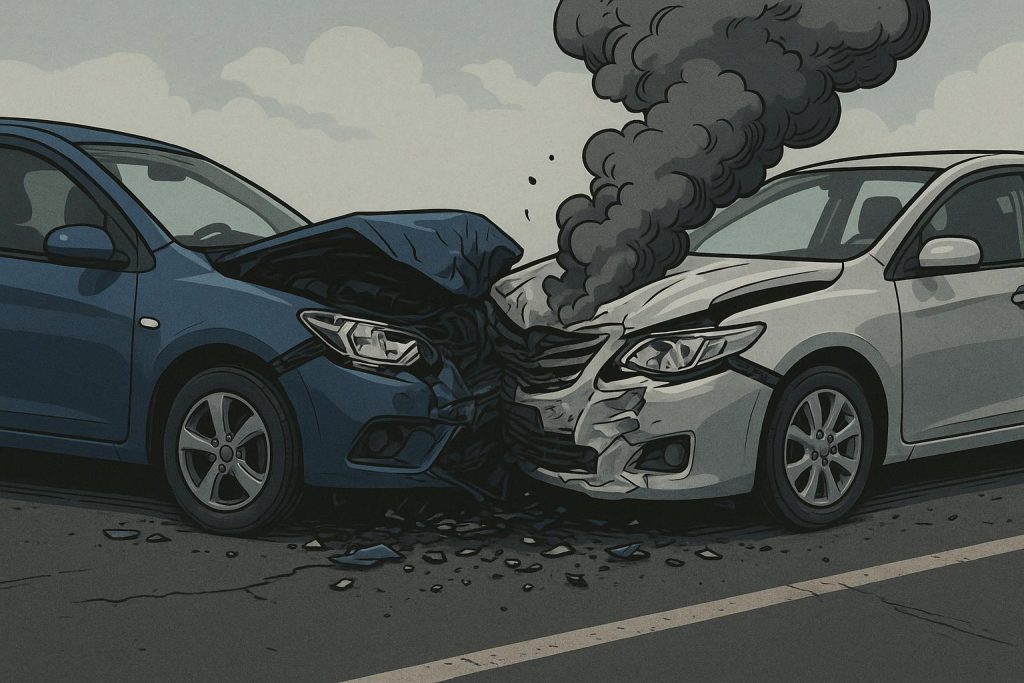
Benjamin and Shapiro Ltd is a Chicago-based personal injury law firm with more than five decades of experience representing individuals and families harmed by negligence. Founded in 1969, the firm has built a long-standing practice focused on helping clients navigate the legal and practical consequences of accidents, including car, truck, motorcycle, and bicycle collisions. Benjamin and Shapiro Ltd handles cases throughout Cook County and surrounding areas, combining litigation experience with a client-centered approach to injury recovery.
Through decades of trial and settlement work, the firm has developed a deep understanding of how early actions after a crash can affect both medical outcomes and insurance claims. Knowing what to do in the first hour following a collision is often critical to preserving safety, documenting key facts, and protecting one’s rights. This overview outlines practical steps drivers and passengers can take immediately after a car crash, before details fade or conditions change.
What to Do in the First Hour After a Car Crash
In the minutes and first hour after a collision, three priorities usually guide next steps: checking for injuries, getting emergency help on the way, and documenting the scene while details are fresh. These early steps support medical follow-up and help insurers and investigators sort out the facts. The aim is not to complete every task at once, but to handle the actions that become difficult to recreate after vehicles move and conditions change.
Start with an injury check among all vehicle occupants. If a passenger appears dazed, unresponsive, or reports pain, treat the situation as a possible injury and request emergency help. When a serious injury appears likely, limit movement and keep the person still while waiting for emergency personnel.
Call emergency services right away. The driver or another uninjured passenger dials 911 to request medical responders and police assistance. Provide the crash location, report whether anyone appears injured, and answer questions so responders can locate the scene quickly. Stick to clear facts that can be seen or heard rather than guesses about why the crash occurred.
If it can be done safely, move to a safer position to reduce the risk of a secondary collision. When the vehicle is drivable, and the road poses a hazard, pull to the shoulder or a nearby side street. Turn on hazard lights and, when available, use road flares from an emergency kit to warn approaching drivers. If the vehicle cannot be moved safely, remain in the safest available position and move away from active traffic lanes only when conditions allow.
After addressing immediate danger, document the scene. Take photographs of vehicle damage, vehicle positions, surface conditions, signage, skid marks, and visible debris. Capture wide shots that show the full context and close-ups that show specific damage or road details. Include lighting and weather conditions, since both can change quickly.
During contact with the other driver, keep the exchange limited to essential information. Collect the other driver’s full name, contact number, driver’s license number, license plate number, and insurance company and policy number when available. Avoid discussing who caused the crash or offering apologies. Even casual statements may later be treated as admissions, so the safest approach is a factual, brief exchange.
Witnesses can help confirm what happened. Ask bystanders or nearby drivers who saw the crash for names and contact details, and request a concise description of what was observed, since many witnesses leave before police arrive.
Seek medical evaluation as soon as possible, even when no injuries are immediately visible. Some crash-related injuries show symptoms hours or days later, and a medical professional can identify less obvious injuries and begin treatment. Prompt evaluation also creates dated medical records that help connect the collision to symptoms and care.
Notify the insurance carrier listed on the vehicle’s policy as soon as possible and provide accurate, factual information. Avoid guessing about fault or making statements about physical condition before medical evaluation. Recorded statements to the other driver’s insurer can influence how a claim is handled, and many legal guides recommend consulting an attorney before agreeing to a recorded statement.
As the scene stabilizes, create an accident file to keep key information organized for later reference. Include the police report number, photos, contact details for drivers and witnesses, medical records and bills, towing and rental records, repair estimates, and insurer correspondence. Over the next day or two, note symptoms as they appear and photograph bruising or other visible changes. A focused response in the first hour helps protect safety and preserve key information for the next steps.
About Benjamin and Shapiro Ltd
Benjamin and Shapiro Ltd is a Chicago-based plaintiffs’ trial law firm founded in 1969. The firm represents clients in personal injury and wrongful death matters, including automobile accidents, premises liability, medical malpractice, and other negligence-based claims. With decades of litigation experience, the attorneys at Benjamin and Shapiro Ltd focus on detailed case preparation, compassionate client service, and pursuing fair compensation through settlement or trial.
