
Ahmad Razaghi is a healthcare executive and entrepreneur who has worked with Native Nations for over two decades on tribal healthcare governance and PL 93-638 Indian Self-Determination contracting. As CEO of Razaghi Healthcare, he provides executive guidance to tribal boards as they develop and manage tribally directed healthcare corporations and private systems aimed at reducing disparities for Native Americans. His work has included leading negotiations that resulted in a one-time $200 million settlement for a 638 corporation with the U.S. Department of Health and Human Services and the Indian Health Service, and he has been recognized with the DHHS, IHS Chief Executive Officers Managerial Excellence award. Razaghi has also developed strategic plans to protect tribal healthcare entities, including efforts that supported hospital accreditation, licensure, and long-term contracting, connecting directly to the practical value of effective government partnerships with tribal health programs.
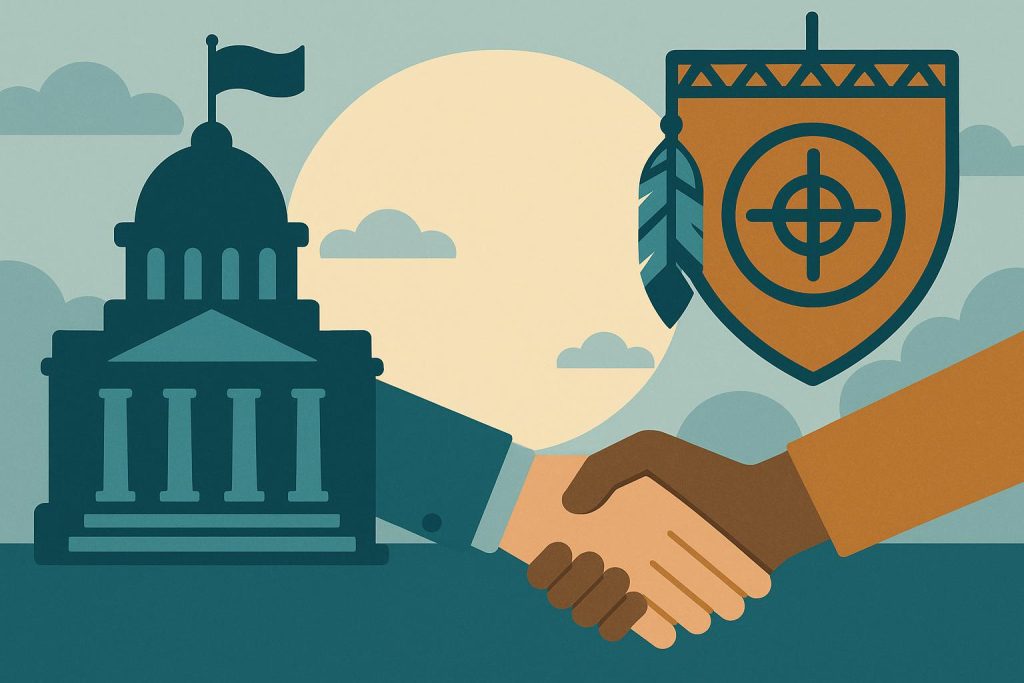
The Value of Government Partnerships with Tribal Health Programs
American Indians, also referred to as Native Americans, have for decades faced significant barriers to accessing basic healthcare, particularly within the United States public health system. These challenges include chronic underfunding due to limited entitlement programs, geographical isolation that restricts access and coverage, high rates of uninsured individuals, and persistent health disparities across many communities.
However, there have been various improvements, including the establishment of agencies like the Indian Health Service (IHS) in 1955 and the Urban Indian Health Services. Accessing services provided by these programs, which are mostly contracted, and advocating for funding and optimal services requires collaboration with tribally operated programs. The partnership accords several benefits, including increased funding, literacy, advocacy, and culturally appropriate healthcare.
One of the most significant challenges facing Native communities is chronic underfunding and understaffing. On a per-capita basis, the IHS receives substantially less funding than programs such as Medicare. This directly affects the quality of care, the number of available facilities and staff, and the range of services offered. These include emergency and maternal care. Community members often face bureaucratic barriers when trying to access government funding directly. However, tribally operated programs maintain established relationships with government authorities. They can secure and distribute funds more effectively at the community level. Mechanisms such as advance appropriations and tribal self-governance agreements help create more stable funding streams. They also support investments in healthcare services and infrastructure.
Health literacy is relatively poor within Native communities, especially in reservations and remote areas. Effective diagnosis, treatment, management, and care require clear communication between healthcare providers and patients. Health illiteracy also lowers willingness to seek medical help early or stick to treatment plans. Native residents are sometimes more willing to seek help from their kin. Tribal health programs offer a platform for better health literacy than government agencies.
Staff or attendants from tribal programs can engage residents on the importance of health insurance coverage. Convincing someone to contribute is challenging, especially if they are healthy, feel marginalized, or believe the government owes them healthcare under treaty obligations. The task becomes harder if proposed by government representatives. Tribal health counselors help with Medicaid, Medicare, and private insurance enrollment. They break social barriers and highlight the benefits, especially for women, children, and the elderly.
Culturally appropriate programs also affect willingness to seek care, as do the available options. Studies suggest American natives have a higher susceptibility to issues like diabetes, preventable liver conditions, respiratory diseases, and substance and alcohol abuse. Lack of amenities can impact nutritional choices and water quality, making issues worse. A standard healthcare package is often inadequate. Tribal programs help highlight and address these unique needs in healthcare services, literacy, and insurance. These programs surface statistics that might otherwise be ignored by federal health agencies.
Tribal health programs also help communities access government grants. There are about 639 community tribal programs that help tribes manage their own health services for better reach. In 2024, IHS awarded over $24.5 million to defined programs and cooperative agreements. These included mental health, suicide prevention, and tribal management projects like construction. Tribal programs use these funds to improve healthcare services or address specific needs, such as preventing suicide in the community.
About Ahmad Razaghi
Ahmad Razaghi is the CEO of Razaghi Healthcare and has more than two decades of experience working with Native Nations on tribally directed healthcare systems and governance. He advises tribal boards on PL 93-638 contracting and the organizational requirements tied to U.S. Department of Health and Human Services and Indian Health Service mandates. His career includes developing strategic plans that strengthened a tribal healthcare entity’s financial position and supported accreditation and licensure outcomes, and he holds an MBA from the University of Utah.
