
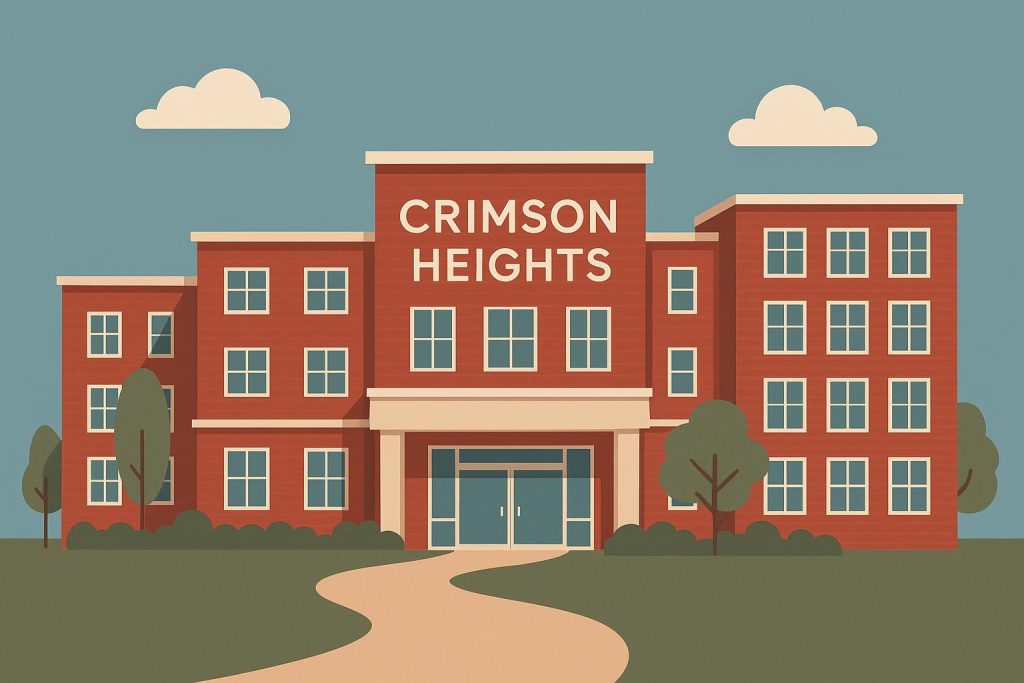
Established in 2017, Crimson Heights is a behavioral health organization in Saint George, Utah, serving children, youth, teens, young adults, and families with behavioral and developmental challenges. Its services include residential support, outpatient care, day treatment programs, comprehensive interventions, occupational therapy, life skills training, and parent training. The organization emphasizes evidence-based, person-centered treatment, experiential learning, achievable milestones, and feedback throughout the recovery journey. Because its work spans different levels of support and helps clients build daily living, coping, communication, and social skills, the continuum of care model is a relevant framework for understanding how coordinated services can adapt to changing needs. The following overview explains how this model supports smoother transitions, individualized care, and continuity across prevention, independent living, residential care, rehabilitation, long-term support, and palliative services.
An Overview of the Continuum of Care Model
In a world where health care can be fragmented and coordination often lacking across stages of medical and support services, ensuring a continuum of care is essential. Families often struggle to navigate the various medical systems and services, and a lack of coordination among them can create gaps that negatively affect a patient’s recovery, rehabilitation, and overall well-being. This is where the continuum of care model comes into play, supporting individuals throughout their different levels of need.
The continuum of care model is a coordinated framework that provides the right level of support at the right time, focusing on medical care as a journey rather than a series of separate events. The approach emphasizes a smooth transition between service levels, from primary care to rehabilitation, nursing care, palliative care, and end-of-life care. The goal is to help reduce gaps in treatment and improve overall outcomes. Built on evidence-based practices and multidisciplinary collaboration, the model brings together health care professionals across various specialties to deliver more comprehensive, patient-centered care.
Ideally, prevention and wellness should form the foundation of the continuum of care, focusing on maintaining health, reducing risk factors, and identifying concerns before they become more serious. This stage may include routine checkups, screenings, health education, nutrition support, fitness programs, and mental health services for long-term well-being. By encouraging proactive care and healthy lifestyle habits, prevention and wellness services help individuals remain independent for longer and reduce the likelihood of hospitalization or intensive medical interventions later in life.
At-home care and independent living services support individuals who remain in their homes while benefiting from varying levels of assistance. Depending on a person’s needs, services may include medication reminders, mobility support, home health visits, or help with daily activities. Within the continuum of care, at-home support allows individuals to maintain independence and familiarity while receiving personalized care that can adapt over time. This stage often serves as a bridge between complete independence and more structured care environments, helping individuals preserve autonomy and quality of life.
Assisted living, rehabilitation and nursing care, long-term care, and hospice or palliative services represent progressively higher levels of support within the continuum of care, each designed to meet changing physical, emotional, and medical needs. Assisted living communities provide a balance of independence and daily support, while rehabilitation and skilled nursing services focus on recovery, medical supervision, and restoring function after illness or injury.
Long-term care offers ongoing assistance for individuals with chronic conditions or significant care needs, with a focus on safety and quality of life. Hospice and palliative care focus on comfort, dignity, and symptom management for individuals facing serious or end-of-life conditions, providing compassionate support for both patients and their families.
Some residential care facilities that focus on the continuum of care are designed to address the changing needs of their patients, from assisted living all the way to palliative care. The evolution of health conditions often leads to changes in health care needs, and this has traditionally required moving to a different facility. However, remaining in the same familiar environment while shifting from one level of assistance to another provides reassurance and comfort to both the patients and their families.
These facilities provide a consistent environment where individuals can focus on stabilization, developing daily living and coping skills and preparing for a successful transition to different levels of care. Residential settings are staffed by trained clinicians and direct support professionals who work together to deliver individualized treatment plans tailored to each person’s needs. Family involvement is also encouraged, helping strengthen long-term support systems and improve continuity of care beyond treatment.
The continuum of care framework is evidence-based and person-centered, creating a flexible system that adapts to individual needs over time. It allows movement between levels of support based on progress, stability, and changing circumstances. This coordinated approach also preserves continuity in provider relationships, which strengthens trust and engagement in care. Ultimately, its effectiveness lies in its ability to deliver the right care at the right time, in a coordinated and adaptive way.
About Crimson Heights
Crimson Heights is a Saint George, Utah, behavioral health service provider established in 2017. The organization serves children, youth, teens, young adults, and families facing behavioral and developmental challenges. Its offerings include residential support, outpatient care, day treatment, comprehensive interventions, occupational therapy, life skills training, and parent training. Care providers emphasize evidence-based, person-centered treatment, experiential learning, empowerment, operational accountability, and support for long-term independence.
